





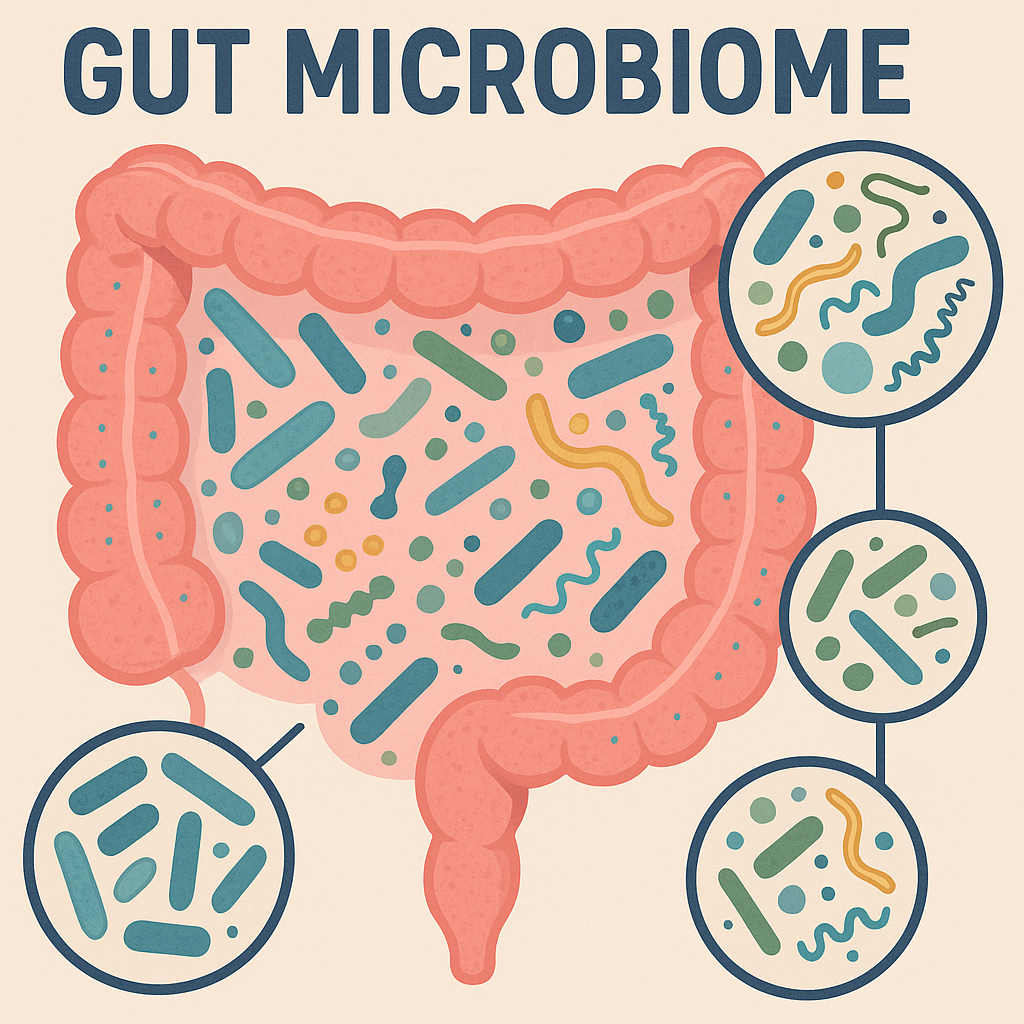
Gut Microbiome
Sonia Tzerefos
Naturopath, Western Herbalist, GAPS Practitioner
Why Check Your Microbiome?
The gut microbiome refers to different microbes and their function which include bacteria, archaea, viruses, fungi and protists, these are located in our digestive system and have a huge influence on our health. When we are looking at the microbiome we need to look at in the context of it being an ecosystem, like a forest, and everything plays a role from the ground up.
The reality is we have multiple microbes throughout our body, they’re in our mouth, on our skin, in our throats, up our nose, in / on our reproductive organs and in our gut. They work to keep us healthy and keep our body’s in balance and we tend to have a blend of the good, the bad and the ugly.
A healthy ecosystem is made up of a good, even spread of different genera, we need diversity and richness within the ecosystem with high levels of butyrate producers and lower levels of inflammatory, hydrogen sulfide, methane and cresol producers to name a few.
When our microbiome is out of balance we may find ourselves experiencing conditions or at risk of conditions such as:
- Leaky Gut
- Metabolic Syndrome / Type 2 Diabetes
- Metabolic Associated Fatty Liver Disease (MAFLD)
- Fatigue
- Reflux / GORD
- SIBO
- Food Intolerances
- IBS
- IBD – Crohn’s / Ulcerative Colitis
- Poor Immune Function
- Poor Cognitive Function / Memory
- Anxiety / Depression / Mental Health issues
- Autism / ADHD
- Chronic Disease
So when we are experiencing health or digestive issues, looking at the microbiome should be one of the first things we consider. Over the years I have found that when patients are having digestive issues the first thought goes to a possible parasite, and whilst that is sometimes the case, sometimes it isn’t and the treatment protocols we engage to do a parasite cleanse (be it herbal or antibiotic based) can have a damaging effect on our other healthy microbes.
Keeping this in mind, I always recommend we do a microbiome test as part of our discovery process so we can ensure we’re targeting our issues in an appropriate manner.
So How Do You Do A Microbiome Test?
Thankfully these tests have come a long way and doing them is easier and more accurate than it ever was before. Rather than try to catch a large sample, putting it in a container and sending it off, these days the best way to check your microbiome is via Metagenomic Sequencing which analyses the DNA of the microbes in the gut.
Once done and we receive the results we can then analyse the microbes and other markers we find from the sample and look at it in its entirety taking into consideration those that are perhaps creating a more inflammatory environment and systemic inflammation in the body and those that are leaving us open to disease states or contributing to those we are currently experiencing.
Having this information then allows us to formulate a plan and treat our microbes, encouraging the growth of those that perhaps aren’t at optimal levels and if required we can target the reduction of any bacteria we may find that either shouldn’t be present or shouldn’t be present in the numbers they are.
So if you’ve been struggling with your health and don’t know where to turn then consider a microbiome test, it might just change your life.
Appointments can be made with Sonia either online or by calling our friendly reception staff on (08) 7231 1628.
Check out Sonia’s Website