





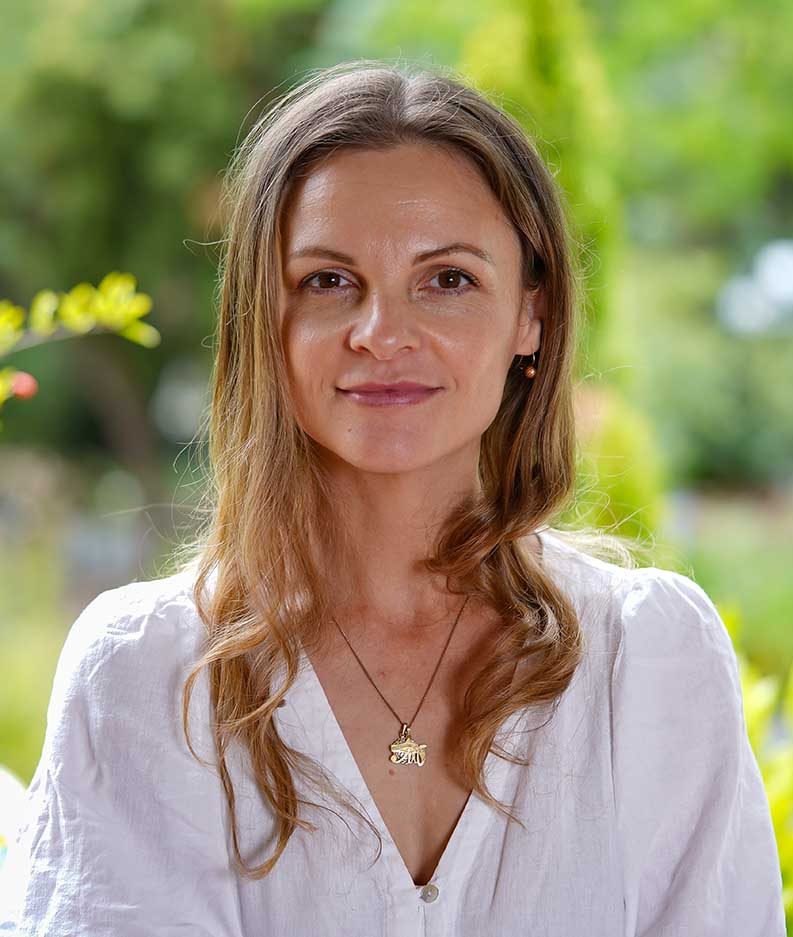
Ulyana Michailov
Traditional Chinese Medicine / Herbalist
What is Traditional Chinese Medicine?
Traditional Chinese Medicine (TCM) is a holistic system of medicine developed over thousands of years, focused on restoring balance within the body.
Rather than simply treating symptoms, TCM looks at the underlying patterns driving imbalance — whether that’s hormonal disruption, stress, poor sleep, or inflammation — and works to gently bring the body back into alignment.
It is particularly effective for women navigating hormonal changes, fertility challenges, and pregnancy, as well as for supporting children and teenagers with developing systems.
What does Traditional Chinese Medicine involve?
TCM includes a range of gentle, supportive therapies tailored to your individual needs.
These may include:
• Acupuncture
• Herbal medicine
• Dietary and lifestyle guidance
• Cupping, moxibustion, or bodywork techniques
For children, treatments can include Shonishin, a non-insertive (needle-free) Japanese technique that is calming, painless, and highly effective.
Each treatment is personalised depending on your stage of life, symptoms, and health goals.
Who can benefit from Traditional Chinese Medicine?
TCM is suitable for all ages, but is particularly beneficial for:
- Women’s health
– Hormonal imbalance
– Irregular cycles, PMS
– Fertility and IVF support
– Pregnancy care and preparation for labour - Children and teenagers
– Skin concerns (eczema, acne)
– Immune and digestive support
– Sleep and nervous system regulation
– Teen hormonal changes - General wellbeing
– Stress and anxiety
– Fatigue and low energy
– Pain and musculoskeletal issues
TCM can also be used alongside conventional medical care, including IVF and other treatments, to support overall outcomes.
Why would someone consider booking?
Many people seek out TCM when they feel:
• “Something isn’t quite right” but tests are normal
• They are not getting the results they hoped for elsewhere
• They want a more natural, supportive approach
TCM works by supporting the body’s own healing capacity, helping to regulate hormones, calm the nervous system, improve sleep, and reduce inflammation.
It is especially valued for its gentle yet effective approach, making it suitable for sensitive systems, pregnancy, and children.
How do you feel after a treatment?
Most people feel deeply relaxed after a treatment, as the body shifts into a rest-and-repair state.
You may notice:
• A sense of calm or emotional release
• Improved sleep that night
• Reduced tension in the body
For many, treatments become a space to reset, both physically and mentally.
What to expect after treatment?
With ongoing treatment, you may begin to notice:
• More regular and balanced hormones
• Improved sleep and energy
• Better digestion
• Calmer skin and reduced inflammation
• Reduced pain or tension
• Stronger immune resilience
Some people notice changes quickly, while others improve more gradually over a series of treatments (typically within 1–8 sessions). For long-term results, ongoing or maintenance care is often recommended, especially during times of stress, hormonal change, or growth (such as pregnancy or adolescence).
Urgent and after hours appointments are available, including alternate Saturday mornings. New patients are welcome and bookings can be made here